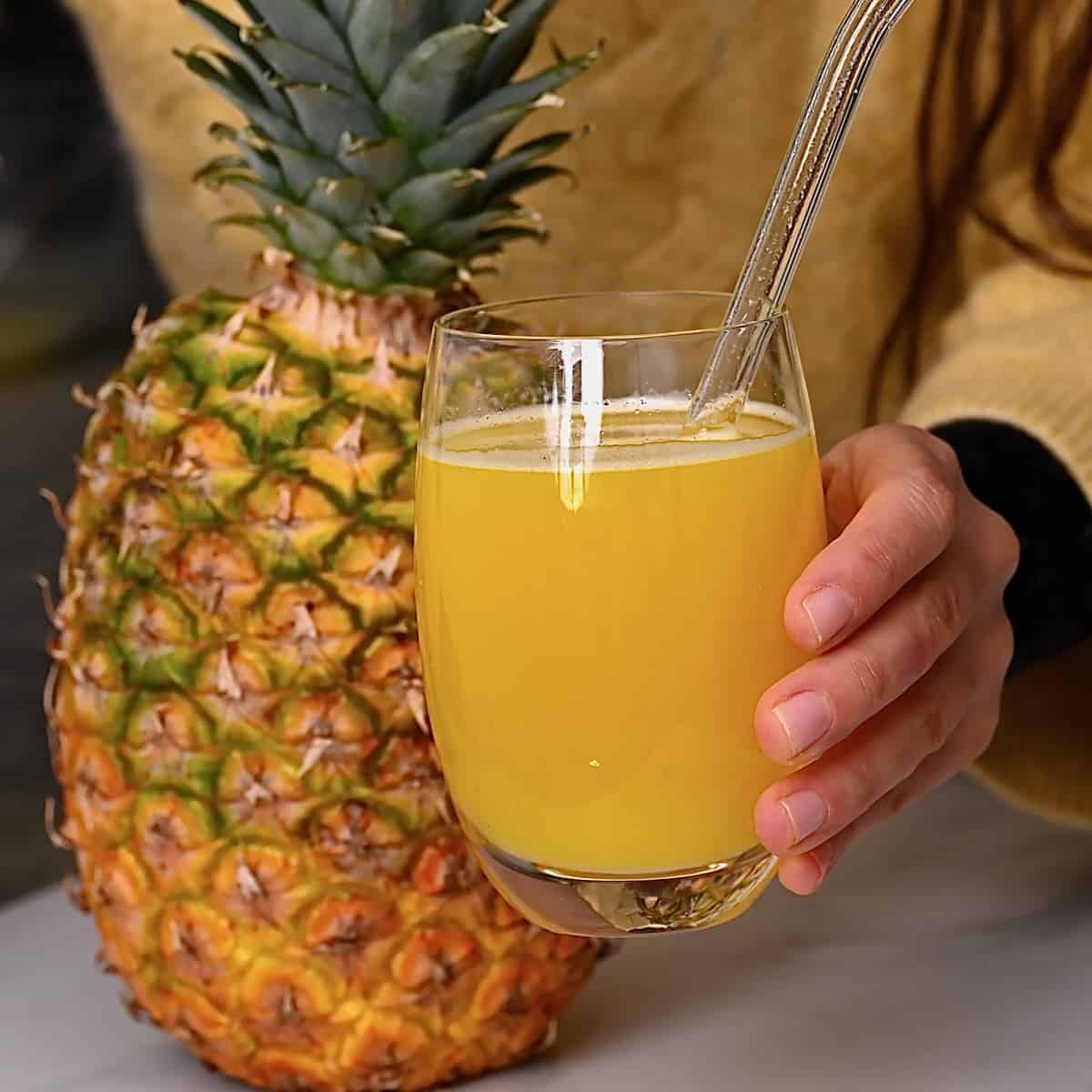
Homemade Pineapple Juice: Your Guide to a Healthier, Happier Sip
Imagine a glass of vibrant, sweet, and tangy pineapple juice, bursting with natural flavors and nutrients, all made fresh in your own kitchen. Forget the dull, often overly sweetened store-bought versions filled with preservatives; homemade pineapple juice is a game-changer. It’s surprisingly simple to prepare, even without a fancy juicer, and offers a refreshing escape that tantalizes your taste buds while nourishing your body. If you've ever wondered
how to make pineapple juice that truly elevates your senses, you've come to the right place.
In this comprehensive guide, we'll dive deep into everything you need to know about crafting your own liquid sunshine. From selecting the perfect fruit to effortless preparation methods and unlocking its amazing health benefits, you'll discover why homemade pineapple juice is a truly golden addition to your diet.
The Golden Elixir: Unpacking Pineapple Juice Health Benefits
Beyond its undeniably delicious taste, fresh pineapple juice is a powerhouse of nutrients, making it a fantastic choice for supporting your overall well-being. It’s not just a refreshing drink; it’s a functional one.
*
Rich in Vitamin C: Pineapple is famously packed with Vitamin C, a vital antioxidant that plays a crucial role in immune system function, skin health, and collagen production. A single glass of homemade pineapple juice can give your body a significant boost in fighting off free radicals and supporting cellular repair.
*
Digestive Aid (Bromelain): Perhaps one of pineapple's most unique benefits comes from bromelain, a group of enzymes primarily found in the fruit. Bromelain is known for its ability to help break down proteins, making it an excellent digestive aid, especially after meals. This is why a glass of pineapple juice can often feel so soothing and satisfying. Bromelain also possesses anti-inflammatory properties, which may help reduce swelling and discomfort.
*
Hydration Hero: Like most fruits, pineapples have a high water content, making their juice an excellent way to stay hydrated, especially during warmer months or after physical activity. Proper hydration is fundamental for all bodily functions, from regulating body temperature to maintaining healthy organ function.
*
Antioxidant Powerhouse: Besides Vitamin C, pineapples contain various other antioxidants, including flavonoids and phenolic acids. These compounds help protect your cells from oxidative stress, potentially reducing the risk of chronic diseases.
*
Supports Bone Health: Pineapples contain manganese, a trace mineral essential for bone development and strength. While not a primary source, incorporating pineapple juice can contribute to your daily intake of this important mineral.
With all these benefits, it’s clear that sipping on homemade pineapple juice is a delightful way to support a healthier lifestyle.
Mastering the Art of Pineapple Selection and Preparation
The secret to truly incredible pineapple juice doesn't lie in the blending or juicing method; it begins long before that, with the pineapple itself. A truly great juice is made from a perfectly ripe, sweet, and fragrant pineapple. Get this part right, and you're already halfway to success.
Navigating the produce aisle for the perfect pineapple can feel like a bit of a treasure hunt, but with a few trusted tricks, you'll pick a winner every time. Forget the old thumping myth; instead, focus on your senses of sight, touch, and especially smell. For a deeper dive into this vital step, check out our guide on
Unlock Perfect Pineapple Juice: The Secret to Picking Ripe Fruit.
How to Pick the Perfect Pineapple: A Sensory Approach
1.
Check the Color: Look for a pineapple that has a vibrant, golden-yellow color, starting from the base and moving up. A mostly green pineapple is underripe and will yield a sour juice, while one that’s dark orange or brownish is likely past its prime. A little green near the crown is perfectly fine.
2.
Give it a Gentle Squeeze: The pineapple should have a slight give when you squeeze it gently. It shouldn’t be rock-hard (underripe) or soft/mushy (overripe). A slight give indicates juiciness.
3.
Smell the Bottom: This is arguably the most reliable test. Turn the pineapple over and smell its base. It should have a distinctly sweet, tropical pineapple fragrance. If you don’t smell anything, it’s not ripe. If it smells fermented or vinegary, it's gone bad.
4.
Examine the Leaves: Try plucking one of the inner leaves from the crown. If it comes out with a gentle tug, it's a good sign of ripeness.
Effortless Pineapple Peeling and Chopping
Wrestling with a pineapple can seem intimidating, but with a sharp chef’s knife and a cutting board, it’s a quick and painless process.
1.
Top and Tail: Lay the pineapple on its side. Carefully slice off the top crown and about a half-inch from the bottom base. This creates two flat, stable surfaces to work with.
2.
Stand and Peel: Stand the pineapple upright on its flat bottom. Starting from the top, slice downwards, following the natural curve of the fruit, to remove the tough, spiky skin. Rotate the pineapple and repeat until all the skin is gone.
3.
Remove the "Eyes": You’ll notice brownish, circular “eyes” left in the flesh. You can remove them by making shallow, diagonal V-shaped cuts in a spiral pattern around the fruit, or simply slice a thin layer off the surface if the eyes are shallow.
4.
Core and Chunk: Stand the pineapple upright again. Slice it in half lengthwise, then into quarters. Cut out the tough, fibrous core from each quarter (it's often too hard to juice or eat comfortably). Finally, chop the remaining pineapple flesh into smaller chunks, ready for juicing.
How to Make Pineapple Juice: Simple Steps for Delicious Results
Now for the exciting part – transforming your perfectly ripe and prepped pineapple into glorious juice! While various methods exist, my personal favorite for ease and accessibility, yielding a thick, rich juice, is the blender method.
The Blender Method: My Go-To for Homemade Pineapple Juice
This is the easiest and most common way to make fresh pineapple juice without needing a dedicated juicer. It’s incredibly versatile and results in a vibrant, pulpy juice that retains more fiber.
1.
Blend It Up: Place your chopped pineapple chunks into a high-speed blender. Add a small amount of water – typically 1/2 to 1 cup per whole medium pineapple – to help the blades process the fruit smoothly. You can adjust the water amount based on your desired consistency; less water for a thicker juice, more for a thinner one.
2.
Achieve Smoothness: Blend on high speed until the mixture is completely smooth and creamy, with no visible chunks. This might take 1-2 minutes.
3.
Strain for Perfection: For pure, smooth juice, you'll need to separate the pulp. Place a fine-mesh sieve over a large bowl or pitcher, and line the sieve with a nut milk bag or a few layers of cheesecloth. Pour the blended pineapple mixture into the lined sieve.
4.
Extract the Juice: Using a spoon or spatula, gently press down on the pulp to extract as much liquid as possible. If using a nut milk bag or cheesecloth, gather the edges and squeeze firmly with your hands until no more juice comes out. Discard the remaining pulp (or save it for baking, smoothies, or compost!).
5.
Serve and Enjoy: Pour your freshly strained pineapple juice into glasses, perhaps over ice. Garnish with a slice of pineapple or a mint sprig if desired.
For a more detailed, step-by-step guide focusing on this incredibly convenient method, be sure to check out our article on
Make Fresh Pineapple Juice at Home: Easy Blender Method.
Using a Juicer for Pure Pineapple Nectar
If you own a centrifugal or masticating juicer, the process is even more straightforward, though it typically yields a thinner juice with less fiber.
1.
Feed the Juicer: Simply feed your peeled and cored pineapple chunks into the juicer chute.
2.
Collect the Juice: The juicer will automatically separate the pulp from the juice, directing the liquid into a collection pitcher and the pulp into a separate container.
3.
Serve Immediately: Serve your pure pineapple juice immediately for the best taste and nutritional value.
Elevate Your Homemade Pineapple Juice: Variations and Storage
Once you've mastered the basic recipe, don't be afraid to experiment! Homemade pineapple juice is a fantastic base for various flavor combinations.
Delicious Flavor Variations:
*
Ginger Zing: Add a small knob of peeled fresh ginger to the blender with the pineapple for a spicy, warming kick that also boasts additional health benefits.
*
Minty Fresh: Blend in a few fresh mint leaves for a wonderfully refreshing and aromatic twist.
*
Lime or Lemon Brightness: A squeeze of fresh lime or lemon juice after blending can brighten the flavors and add an extra layer of tanginess.
*
Tropical Fusion: Combine pineapple with other fruits like mango, papaya, or oranges for a custom tropical blend.
*
Spicy Kick: A tiny pinch of cayenne pepper can add an unexpected and intriguing warmth.
Storing Your Liquid Gold:
Freshly made pineapple juice is best enjoyed immediately to maximize its vibrant flavor and nutritional content. However, if you have leftovers or want to prepare a larger batch, here’s how to store it:
*
Refrigeration: Store your homemade pineapple juice in an airtight container or a sealed pitcher in the refrigerator for up to 2-3 days. The flavor and nutrient content will diminish over time, so consume it sooner rather than later.
*
Freezing: For longer storage, you can freeze pineapple juice. Pour it into ice cube trays for convenient single servings, or into freezer-safe containers or bags. It can be stored in the freezer for up to 3-4 months. Thaw in the refrigerator before enjoying.
Conclusion
Making your own homemade pineapple juice is an incredibly rewarding experience. It’s a simple act that unlocks a world of fresh, vibrant flavors and powerful health benefits that store-bought alternatives simply can't match. From the satisfying process of selecting a perfectly ripe pineapple to blending it into a golden elixir, you're in complete control of what goes into your glass. So, why wait? Grab a pineapple, follow these easy steps on
how to make pineapple juice, and treat yourself to the incredible taste and nourishment of this tropical delight. Your taste buds, and your body, will thank you!