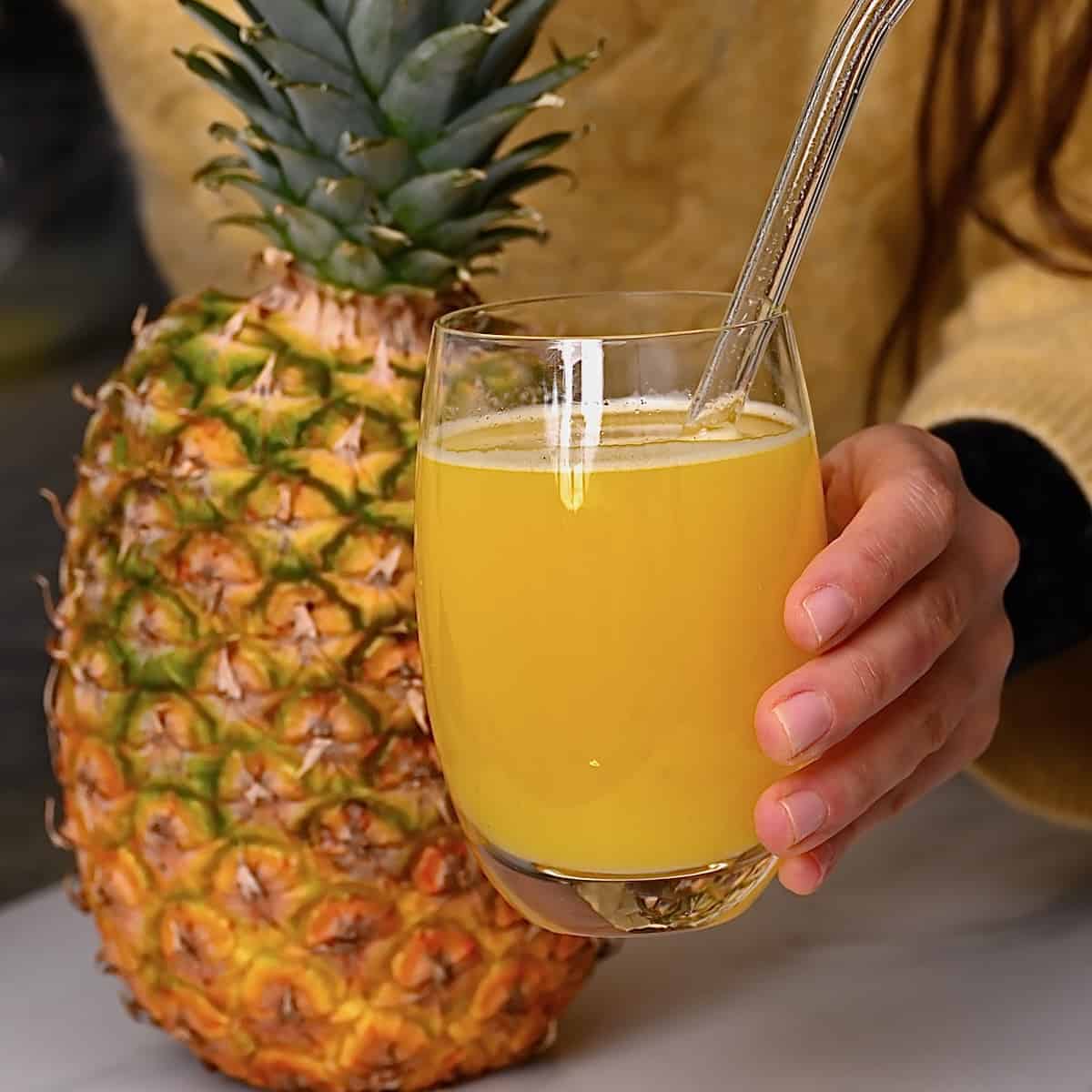
Unlock Perfect Pineapple Juice: The Secret to Picking Ripe Fruit
There's an undeniable magic to a glass of freshly made pineapple juice. The vibrant flavor, the natural sweetness, and the invigorating aroma are a world away from the often overly processed, syrupy versions found in stores. Many people believe that creating this tropical delight at home requires special equipment or culinary expertise, but the truth is, it's surprisingly simple. In fact, you don't even need a fancy juicer to produce pure liquid gold. The real secret to incredible homemade pineapple juice, however, lies not in the blending or the straining, but in a crucial step that comes even before you reach for your knife:
picking the perfect ripe pineapple. Get this right, and you’re already well on your way to an unparalleled homemade experience.
Why Ripe Pineapple is Non-Negotiable for Superior Juice
Imagine biting into an unripe pineapple – the sharp, acrid tartness that makes your mouth pucker. Or, conversely, the mushy, overly sweet, almost fermented taste of one that's gone past its prime. Neither of these makes for a pleasant juicing experience. The true "game-changer" in homemade pineapple juice is starting with a fruit that's reached its peak of ripeness. A perfectly ripe pineapple offers a harmonious balance of sweetness and tang, bursting with natural sugars and a complex tropical flavor profile that simply can't be replicated with artificial additives.
Beyond the extraordinary taste, choosing a ripe pineapple also maximizes the nutritional benefits. Pineapple is packed with Vitamin C, a powerful antioxidant, and bromelain, an enzyme known for its anti-inflammatory properties and ability to aid digestion. You can learn more about these incredible advantages in our article on
Homemade Pineapple Juice: Health Benefits & Simple Steps. When you select a pineapple at its optimal ripeness, these beneficial compounds are at their most potent, ensuring your delicious juice is also incredibly good for you.
The Art of Selection: Mastering the Ripe Pineapple Hunt
Navigating the produce aisle for that ideal pineapple can feel like a mini treasure hunt. Forget the old myth of thumping it like a watermelon; true pineapple ripeness is revealed through a symphony of your senses – sight, touch, and especially, smell. As someone who has been making fresh juices for decades, I can confidently say these trusted tricks will guide you to success.
Check the Color: A Visual Cue
The first thing to look for is color, particularly at the base. A truly ripe pineapple will display a vibrant, golden-yellow hue that starts from its bottom and gradually extends upwards. This golden progression indicates that the fruit has had ample time to develop its sugars. Conversely, a pineapple that is mostly green signals it’s underripe and will be overly sour. While a completely green pineapple should be avoided, don’t dismiss one with some green near the crown – this is often natural and perfectly fine as long as the base shows that tell-tale yellow. Be wary of pineapples that are dark orange or brownish; these are likely overripe and may have a compromised texture and flavor.
Give it a Gentle Squeeze: The Touch Test
Once you've assessed the color, gently cup the pineapple in your hands and give it a slight squeeze. A ripe pineapple should have a very subtle give – not rock-hard, but not soft or mushy either. Think of it like a ripe avocado; it yields slightly under gentle pressure. If the pineapple feels hard as a rock, it needs more time to ripen. If it feels overly soft or spongy, especially in spots, it's likely past its prime, possibly even bruised or beginning to spoil.
Smell the Bottom: The Ultimate Indicator
This is, without a doubt, my number one test for ripeness, and perhaps the most reliable. Turn the pineapple upside down and bring its base – the cut end where it was removed from the plant – close to your nose. You should be greeted by a distinctly sweet, rich, and intensely tropical pineapple fragrance. This aromatic perfume is the strongest indicator of internal sweetness and readiness. If you don't smell anything at all, the pineapple is not yet ripe and won't deliver the vibrant flavor you crave. On the other hand, if you detect a fermented, vinegary, or alcohol-like scent, the fruit has gone bad and should be avoided. A sweet, inviting aroma is the green light you're looking for!
Examine the Leaves: A Crown of Clues
Finally, take a look at the crown of leaves. While not as foolproof as the smell test, it can offer an additional hint. Gently try to pluck one of the inner leaves from the crown. If it comes out with a relatively gentle tug, it's generally considered a good sign of ripeness. If the leaves are tightly resistant and difficult to pull, the pineapple is likely still quite underripe. If they come out with almost no effort and look wilted, it could indicate overripeness.
By combining these sensory checks – observing the vibrant color, feeling for a slight give, and most importantly, smelling for that sweet, tropical perfume – you'll confidently select a pineapple that's perfectly poised for juicing success.
Beyond the Pick: Preparing Your Perfect Pineapple for Juicing
Once you’ve mastered the art of picking the perfect pineapple, the next step towards enjoying your homemade juice is preparing it. Wrestling with a whole pineapple can seem intimidating, but with a sharp chef’s knife and a sturdy cutting board, it’s a straightforward process.
1.
Top and Tail: Lay the pineapple on its side. Carefully slice off the leafy crown and about a half-inch from the bottom base. This creates two flat, stable surfaces, making the rest of the cutting much safer and easier.
2.
Stand and Peel: Stand the pineapple upright on one of its newly flattened ends. Starting from the top, slice downwards, following the natural curve of the fruit, to remove the tough, spiky skin. Rotate the pineapple and repeat until all the skin is gone. Don't worry about removing every single bit of skin; you can clean up any stragglers later.
3.
Remove the “Eyes”: You’ll notice brownish, circular "eyes" left in the flesh. You have a couple of options here: you can either make shallow, diagonal V-shaped cuts in a spiral pattern around the fruit to scoop them out, or simply slice a bit deeper into the flesh to remove them entirely.
4.
Core the Pineapple: The central core of a pineapple is fibrous and tough, and while not harmful, it can make your juice pulpy and less pleasant. For juicing, it's best to remove it. Stand the peeled pineapple upright and cut it into four quarters lengthwise. Then, simply slice off the triangular core from each quarter.
With your beautifully prepped, ripe pineapple chunks ready, you're just moments away from deliciousness. The easiest and most accessible way to transform these chunks into juice is using a blender. Dive into our detailed guide on
Make Fresh Pineapple Juice at Home: Easy Blender Method to learn the simple steps for blending, straining, and enjoying your liquid gold.
Unlocking the Juice: Your Simple Path to Homemade Goodness
The moment of truth arrives when those perfectly picked and prepped pineapple chunks meet your blender. The primary method, incredibly popular for its simplicity and the vibrant results it yields, involves blending your pineapple with a splash of water until completely smooth. This creates a rich, pulpy mixture. The next crucial step is straining this mixture through a fine-mesh sieve or a nut milk bag to separate the smooth, pure juice from the fibrous pulp. This process ensures a silky-smooth consistency that is truly a revelation.
Once you’ve tasted this homemade version, free from artificial ingredients, added sugars, or preservatives, you'll understand why it's a game-changer. It’s an experience that store-bought varieties simply can't replicate.
Conclusion
The journey to crafting the perfect glass of pineapple juice begins long before you even consider blending. It starts with the mindful selection of a truly ripe fruit, guided by your senses of sight, touch, and especially, smell. By mastering these simple yet effective techniques for picking the ideal pineapple, and then confidently preparing it, you unlock a world of fresh, vibrant flavor and incredible health benefits right in your own kitchen. So, next time you're at the grocery store, armed with these secrets, embark on your quest for the perfect pineapple, and prepare to elevate your homemade juice game to an entirely new level. Learning how to make pineapple juice has never been so rewarding.