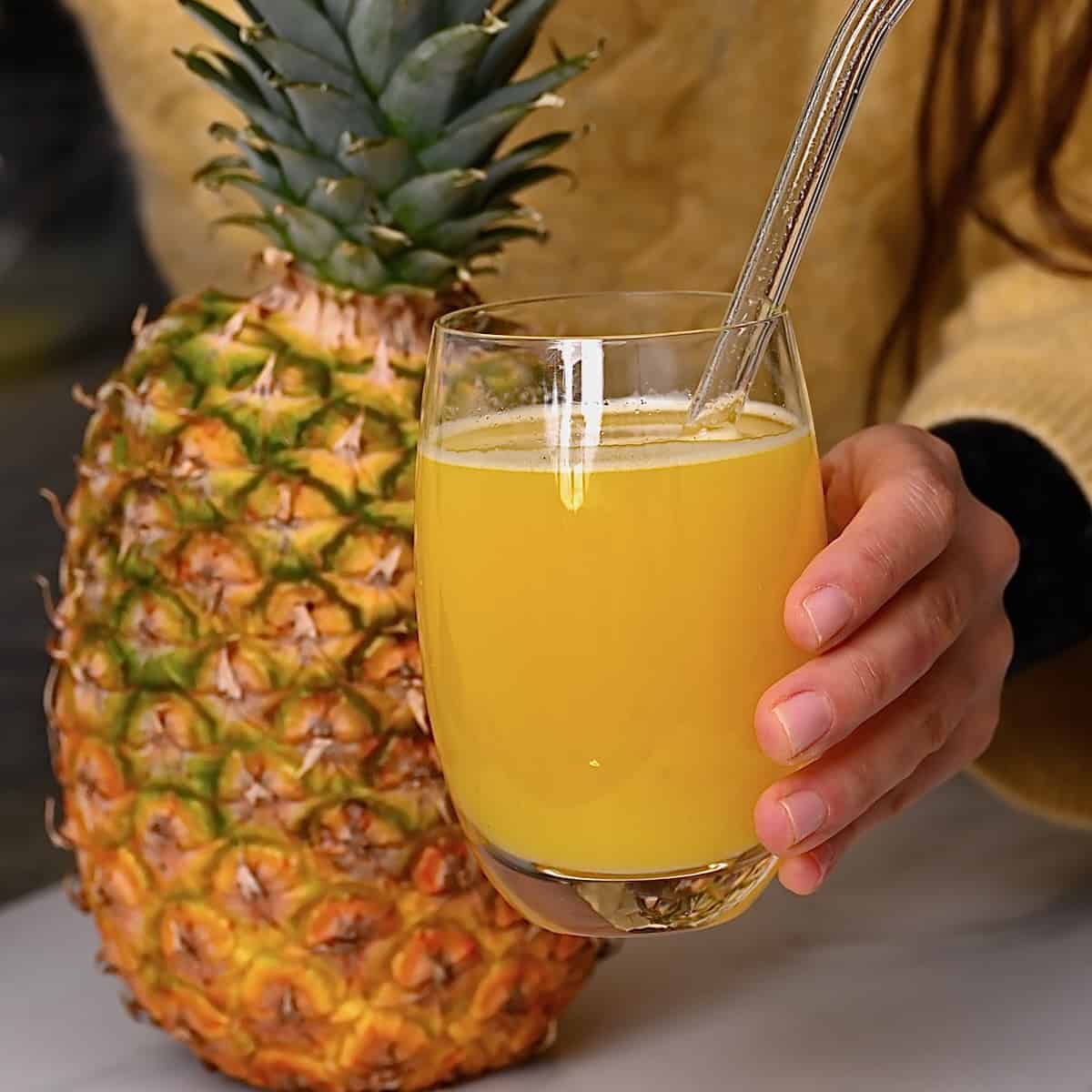
Make Fresh Pineapple Juice at Home: The Easy Blender Method
There’s nothing quite like the vibrant, sweet-tart taste of fresh pineapple juice. While store-bought options are readily available, they often come with added sugars, preservatives, and a flavor profile that pales in comparison to the homemade version. The good news? Making your own fresh pineapple juice at home is incredibly simple, and you don't need a fancy, expensive juicer to achieve liquid gold. Our go-to method, and the focus of this guide, is the accessible and efficient blender technique. Once you experience the difference, you'll likely never look back.
For two decades, I've been experimenting with fresh juices, and I can confidently say that the blender method for pineapple juice stands out for its ease and delicious results. It's a game-changer for anyone looking to enjoy a naturally sweet, incredibly refreshing, and nutrient-packed beverage without the hassle. Beyond its fantastic taste, pineapple juice boasts significant health benefits, including digestive aid from bromelain and a powerful dose of Vitamin C. If you're curious about the full spectrum of advantages, you might find our article on Homemade Pineapple Juice: Health Benefits & Simple Steps particularly insightful.
The Foundation of Flavor: Choosing the Perfect Pineapple
The secret to truly incredible homemade pineapple juice starts long before you even plug in your blender. It all hinges on the pineapple itself. A perfectly ripe, sweet, and fragrant pineapple is paramount. Get this part right, and you're already halfway to success. Navigating the produce aisle for the ideal fruit can feel like a treasure hunt, but with a few trusted tricks, you'll become a pro.
Forget the old wives' tale about thumping; instead, engage your senses of sight, touch, and especially smell. Here’s what to look for:
- Check the Color: Look for a pineapple that has a vibrant, golden-yellow color, starting from the base and moving upwards. A mostly green pineapple is likely underripe and will yield a sour, less sweet juice. Conversely, one that's dark orange or brownish is probably past its prime and might taste fermented. A little green near the crown is perfectly fine, but the majority of the fruit should display that enticing yellow hue.
- Give it a Gentle Squeeze: Gently press the skin of the pineapple. It should have a slight give, indicating juiciness and ripeness. If it feels rock-hard, it needs more time on the counter to ripen. If it's too soft or mushy, it's overripe and might have an unpleasant texture or taste.
- Smell the Bottom: This is arguably the most reliable test. Turn the pineapple over and deeply inhale its base. You should detect a distinctly sweet, tropical, and inviting pineapple fragrance. If there's no scent, the fruit isn't ripe enough. If it smells vinegary, alcoholic, or fermented, it's gone bad. A strong, sweet aroma is your green light.
- Examine the Leaves: Try to gently pluck one of the inner leaves from the crown. If it comes out with minimal resistance, it's generally a good sign of ripeness. If it's firmly stuck, the pineapple likely needs more time.
For a deeper dive into selecting the best fruit for your juice, be sure to check out our detailed guide: Unlock Perfect Pineapple Juice: The Secret to Picking Ripe Fruit.
Prepping Your Pineapple: A Step-by-Step Guide
Wrestling with a whole pineapple can seem intimidating, but with a sharp chef’s knife and a sturdy cutting board, it's a straightforward process. No special tools are required, just a bit of confidence.
- Top and Tail: Lay the pineapple on its side. Carefully slice off the leafy crown and about a half-inch from the bottom base. This creates two flat, stable surfaces, making the rest of the cutting process much safer and easier.
- Stand and Peel: Stand the pineapple upright on one of its newly flattened ends. Starting from the top, slice downwards, following the natural curve of the fruit, to remove the tough, spiky skin. Rotate the pineapple and repeat until all the skin is gone. Try to cut just deep enough to remove the skin, preserving as much flesh as possible.
- Remove the "Eyes": You'll notice brownish, circular "eyes" embedded in the flesh. These are fibrous and less pleasant to consume. You have a couple of options here:
- Spiral Method: Look for the diagonal lines of eyes. Make shallow, V-shaped cuts along these lines in a spiral pattern around the fruit to scoop out the eyes. This creates an appealing spiral pattern.
- Slice Them Off: If the spiral method feels too intricate, you can simply make shallow straight cuts to remove the strips of flesh containing the eyes.
- Core the Pineapple (Optional but Recommended for Juice): The very center of a pineapple contains a fibrous, tough core. While it's edible, it can make your juice pulpy and less pleasant. You can remove it by cutting the pineapple into quarters lengthwise, then slicing off the triangular core from each piece.
- Chunk It Up: Once peeled and cored, cut the pineapple flesh into roughly 1-inch chunks. Smaller, uniform pieces will blend more easily and efficiently.
Mastering the Blender: How to Make Pineapple Juice Effortlessly
Now for the main event! The blender method is truly the simplest way to get fresh, vibrant pineapple juice. Here's a step-by-step guide to how to make pineapple juice using just your blender:
Ingredients:
- 2 cups ripe pineapple chunks (from about half a medium pineapple)
- ½ to 1 cup cold water (or coconut water for extra tropical flavor)
Equipment:
- High-speed blender
- Fine-mesh sieve or nut milk bag
- Large bowl or pitcher
Instructions:
- Add Pineapple to Blender: Place the prepared pineapple chunks into your blender.
- Add Liquid: Pour in about ½ cup of cold water. The amount of water you add will depend on your blender's power and your desired juice consistency. Start with less and add more if needed. Coconut water can also be used here for a delicious twist and added electrolytes.
- Blend Until Smooth: Secure the lid and blend on high speed until the mixture is completely smooth. This usually takes 1-2 minutes. There shouldn't be any large pineapple chunks remaining. If your blender is struggling, add a little more water, a tablespoon at a time, until it blends smoothly.
- Strain the Pulp: Place your fine-mesh sieve over a large bowl or pitcher. Pour the blended pineapple mixture through the sieve. Use the back of a spoon or a rubber spatula to press down on the pulp, extracting as much juice as possible. For an even smoother, pulp-free juice, you can line your sieve with cheesecloth or use a nut milk bag – this will yield a cleaner, restaurant-quality juice.
- Discard or Repurpose Pulp: Once you've extracted all the juice, you'll be left with fibrous pulp. While some prefer completely pulp-free juice, a little pulp can add body and fiber. You can discard the leftover pulp, or get creative and use it in muffins, smoothies, or even compost it!
- Serve and Enjoy: Pour your freshly made pineapple juice over ice and savor immediately. Taste and adjust sweetness if desired, though a perfectly ripe pineapple rarely needs it.
Beyond the Basics: Flavor Variations & Storage Tips
While fresh pineapple juice is divine on its own, don't hesitate to experiment with flavor combinations to create your signature beverage:
- Ginger Kick: Add a small 1-inch piece of peeled fresh ginger to the blender with the pineapple for a zesty, warming zing and added digestive benefits.
- Minty Fresh: A few fresh mint leaves blended in or muddled and added to the serving glass can provide a refreshing, cooling sensation.
- Lime Zest: A squeeze of fresh lime juice brightens the flavor profile and adds an extra layer of tropical tang.
- Sweeten Naturally: If your pineapple isn't as sweet as you'd like, a touch of maple syrup, agave, or a few dates blended in can naturally enhance the sweetness without refined sugars.
- Spice It Up: A tiny pinch of cayenne pepper can add an unexpected and intriguing warmth.
Storage Tips for Maximum Freshness:
Fresh juice is always best consumed immediately, but if you have leftovers, proper storage will keep it enjoyable for longer.
- Refrigeration: Store homemade pineapple juice in an airtight container or glass bottle in the refrigerator. It will typically stay fresh and delicious for 2-3 days.
- Minimize Air Exposure: Air is the enemy of fresh juice, as it causes oxidation and nutrient loss. Fill your container to the brim to reduce air pockets, or use a container designed for juice storage.
- Freezing: For longer storage, you can freeze pineapple juice in ice cube trays. Once frozen, transfer the cubes to a freezer-safe bag for up to 1-2 months. Thaw cubes as needed for individual servings or use them directly in smoothies.
Conclusion: Sip Your Way to Tropical Bliss
Making fresh pineapple juice at home using a blender is not just easy; it's a rewarding experience that delivers unparalleled taste and health benefits. From carefully selecting a perfectly ripe fruit to the simple steps of blending and straining, you're in control of every ingredient, ensuring a pure, delicious, and preservative-free drink. So, grab a ripe pineapple, pull out your blender, and treat yourself to the incredible flavor of homemade tropical goodness. Your taste buds—and your body—will thank you!
